
Report Trail Conditions: Track Damage on Hiking & Forest Trails
Track trail conditions such as fallen trees, erosion or damaged bridges.
Describe your project and we'll create a custom map for you.
What is a trail condition tracker?
Trail condition reporting gives hikers, trail runners, and park visitors a direct way to document what they find on the path. Fallen trees blocking the route, erosion after heavy rain, damaged bridges, missing trail markers, and illegal dumping are exactly the kind of observations that park services and forestry offices need but rarely receive in structured form. Most reports arrive as phone calls or informal messages, without location data or photos.
Each report is submitted with a GPS-tagged photo and a category selected from a predefined list: fallen tree, erosion, damaged bridge, missing sign, litter, or trail closure. The photo documents the specific condition. The GPS coordinates place it accurately on the map. Park and forestry staff receive a maintenance queue organized by location and category, not a pile of unstructured messages. The structured data feed directly into trail maintenance workflows.
Hiking associations use the map to coordinate volunteer trail maintenance across their network. National parks and forestry authorities integrate the incoming reports into their seasonal maintenance planning. Tourism associations benefit from up-to-date trail condition data that helps visitors choose routes and reduces complaints about trail conditions.
Who is this for?
Communities
Resident groups, school parents, neighbourhood initiatives collecting local data.
Organizations
NGOs, nonprofits, and research teams running participatory mapping projects.
Municipalities
City administrations and public agencies managing citizen reports at scale.
Use Cases
Hiking Associations & Outdoor Groups
Distribute trail monitoring across all members. Every hiker becomes a potential reporter. The association collects structured damage reports from across its entire trail network without deploying dedicated inspection staff for every route.
Forestry Authorities & National Parks
Replace scattered phone calls and informal messages with a structured reporting channel. Reports arrive with location, category, and photo. Maintenance teams can sort and prioritize by trail segment, damage type, or severity, and close reports once the issue is resolved.
Municipalities & Tourism Associations
Maintain publicly accessible trail condition maps for visitors. Current damage reports help hikers choose alternative routes and avoid trail closures. The data also supports funding applications for trail maintenance programs.
Categories included
Common issues reported include road damage, broken streetlights, illegal dumping, graffiti, and more. Each category can be customized from your dashboard after setup.
What you get
Offline Photo Capture
Photos with GPS coordinates are captured and stored locally when there is no mobile signal. Once connectivity is restored, the report is submitted automatically. Useful for remote trails where network coverage is unreliable.
Trail Damage Categories
Reports are assigned to specific damage categories: fallen tree, erosion, damaged bridge, missing sign, litter, or trail closure. Structured categories let maintenance teams sort and prioritize their work queue without reading through free-text descriptions.
Seasonal Condition Tracking
Reports accumulate over time and show which trail segments are repeatedly affected by seasonal damage, for example flooding in spring or storm damage in autumn. The pattern data informs long-term maintenance planning beyond individual incidents.
Volunteer Coordination
Hiking associations can assign reported issues to volunteer maintenance teams. Resolved reports are marked as closed and remain visible in the history. The map shows open issues by segment, so volunteers know where to focus their next workday.
See it in action
From data collection to insights
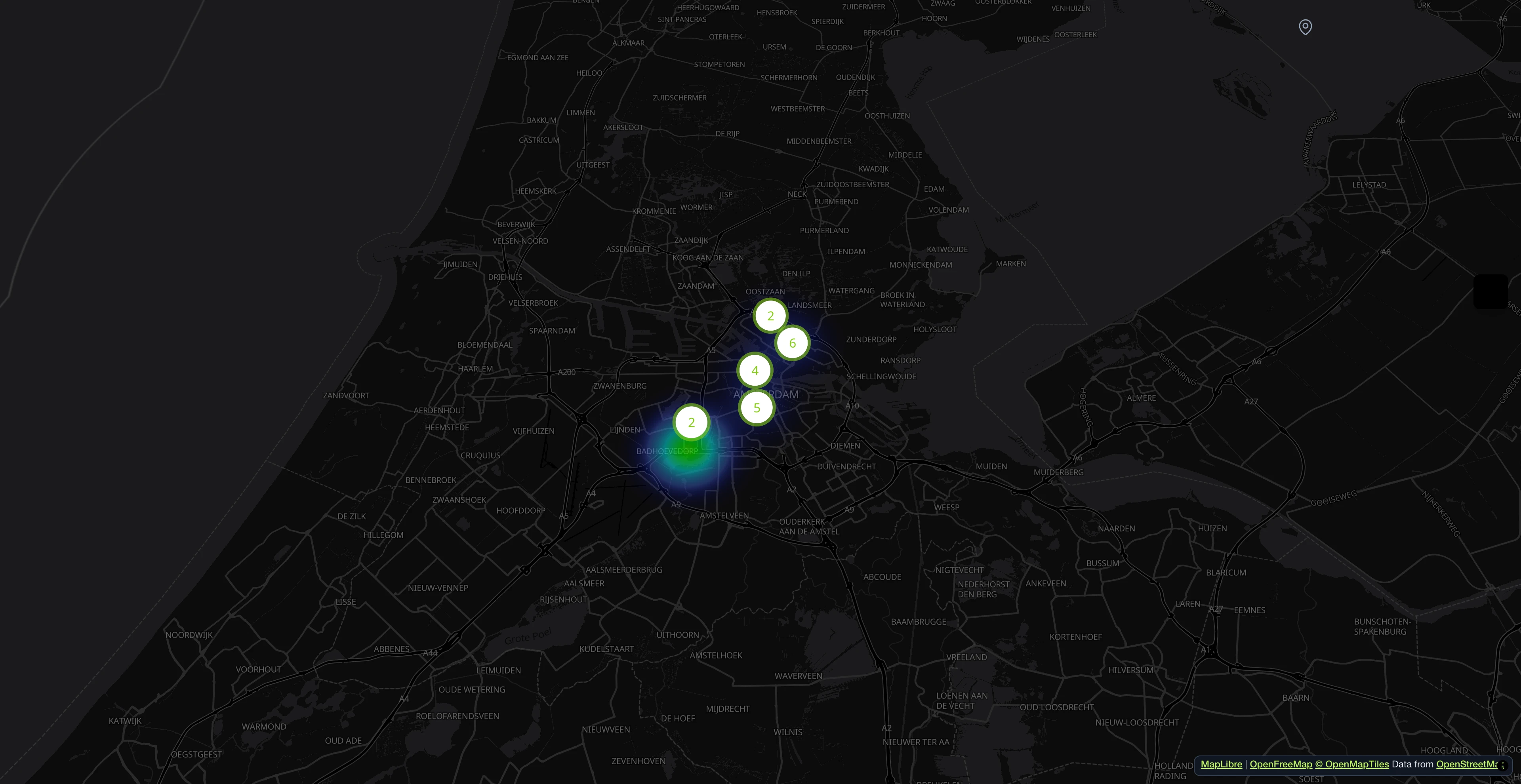
Contributors pin issues with photos and location. Markers cluster automatically and color-code by category.
Take a photo, AI does the rest
Citizens upload a photo. The AI identifies the category, drafts a description, and pre-fills attributes in real time. The reporter edits and sends.

Reports on an interactive map
Contributors pin issues with photos and location. Markers cluster automatically and color-code by category.

All reports at a glance
Search, filter, and sort all incoming reports. Assign departments, update statuses, and keep track of every issue from submission to resolution.

AI writes the report for you
Upload a photo, and the system generates a detailed description, extracts category attributes, and scores the hazard level. Edit before submitting.

AI-powered processing pipeline
Reports are indexed for duplicates, classified for hazard level, scored for sentiment, and auto-filled with category-specific attributes. All runs as a background batch.

Open311-compliant service catalog
Every category is served as an Open311 GeoReport v2 service with typed attributes, dropdown options and per-language labels. No vendor lock-in.

Everything in one dashboard
Track KPIs, manage reports, assign teams. AI analyzes photos for hazards and sentiment automatically.

- 1M+ reports since 2011
- Open Source
- Open311 GeoReport v2
- EU-hosted
Try it live:demo.mark-a-spot.com/amsterdam
Need facility management, custom WMS layers, structured data fields per workflow status, or multi-district and multi-city setups? Explore the full platform atmark-a-spot.com
Start your Trail Condition Tracker
Describe your project and our AI will configure the perfect workspace for you.